
The Rise of Hybrid Pastries: Why Texture, Efficiency, and Equipment Matter More Than Ever
Walk into almost any modern bakery today and you’ll notice something has changed. The pastry case is no longer defined by just croissants, muffins, and Danish—it’s filled with creations that blur the lines between categories. I will say, I believe there are better creative options than a Crookie. I am a big fan of laminated brioche donuts with citrus filling and crumb topping, supreme croissants with chocolate mousse, and the lemon meringue croissant shown here! These are often called hybrid pastries, but they’re better understood as fusion pastries or multi-texture creations, and they’re quickly becoming one of the most influential forces shaping the baking industry.
Driven by social media, customer curiosity, and a growing demand for unique experiences, these modern pastry creations are doing more than just attracting attention—they’re redefining what bakeries can offer.
What Are Fusion Pastries?
Fusion pastries combine elements from different areas of baking to create something entirely new. Some of the most recognizable examples include croissant-donut style products, filled croissant hybrids, laminated dough paired with savory fillings and spices, and multi-format pastries that bring together crisp, soft, and creamy components in a single bite.
These products are highly visual, making them ideal for platforms like Instagram and TikTok. A perfectly laminated swirl, a dramatic cross-section, or an unexpected shape can turn a single pastry into a viral product. But beyond aesthetics, these pastries deliver something customers increasingly value: a layered, multi-texture eating experience.
Texture Is the New Differentiator
Flavor will always matter, but texture is quickly becoming the deciding factor for many customers. The contrast between crisp and soft, light and rich, structured and delicate creates a more engaging and memorable experience.
Fusion pastries thrive in this space. A laminated exterior with a soft, cake-like interior. A crisp shell with a creamy center. A product that evolves as you eat it.
For bakeries, this raises the bar. It’s no longer enough to produce a good croissant, it has to have the perfect honeycomb structure, some good exterior crunch, and the strength to support fillings, glazes, and inclusions. These innovation-driven pastries demand a higher level of precision and consistency than traditional offerings.
The Production Challenge
While these boundary-pushing pastries open the door to creativity, they also introduce real production challenges. I always thought that you only needed a pair of culinary tweezers at places like Noma and La Bernardin, boy was I wrong!
These products are often:
More labor-intensive
More sensitive to process variation
Harder to scale without sacrificing quality
Laminated doughs must be mixed correctly, handled gently, and maintained at precise temperatures. Fillings and inclusions must be applied consistently. Shapes need to be repeatable. And all of this must happen within the constraints of labor availability and production schedules.
For bakeries looking to grow, this creates a constant tension between creativity and scalability.
Equipment That Makes It Possible
This is where the right equipment becomes essential—not just for efficiency, but for protecting product quality.
A thoughtful mixing process is the foundation. Gentle, dough-friendly mixing systems help preserve gluten structure and improve extensibility, which is critical for laminated and multi-texture pastries.
From there, consistent sheeting and laminating ensure uniform layers, proper butter distribution, and repeatable results. Even minor inconsistencies at this stage can dramatically affect the final product.
Fermentation control is another key factor. Retarder proofers allow bakeries to manage timing, develop flavor, and maintain dough integrity. This is especially important when working with complex, multi-step products.
Finally, precision portioning, depositing, and cutting technologies help standardize fillings, toppings, and shapes. This is especially valuable when producing combination pastries at scale, where visual consistency is just as important as taste.
Together, these systems don’t replace craftsmanship, they support it.
Scaling Creativity Without Losing Quality
One of the biggest misconceptions in baking is that scaling production means sacrificing quality. In reality, the opposite can be true.
Fusion pastries demand consistency. Customers expect the same visual appeal, texture, and eating experience every time they purchase a product. Meeting those expectations manually becomes increasingly difficult as volume grows.
Personally, I really enjoy Paris Baguette. And I know at Paris Baguette that the products will be consistently good, every time I visit. That is so important today.
With the right combination of process and equipment, bakeries can maintain their creative edge while producing at scale. This allows them to introduce new products, respond to trends, and grow their business without compromising what made them successful in the first place.
The Opportunity Ahead
Hybrid pastries—better described as fusion or multi-texture pastries—represent more than a trend. They signal a shift in how consumers engage with baked goods. They are experiential, visually compelling, and highly customizable, making them a powerful tool for bakeries looking to differentiate themselves.
But with that opportunity comes complexity.
At Westmere Baking Equipment, we work with bakeries to bridge the gap between creativity and production. Whether you’re developing your first fusion pastry or scaling a full line of modern pastry creations, having the right process and equipment in place makes all the difference.
If you’re looking to bring new ideas to life while maintaining consistency, efficiency, and exceptional quality, we’re here to help.
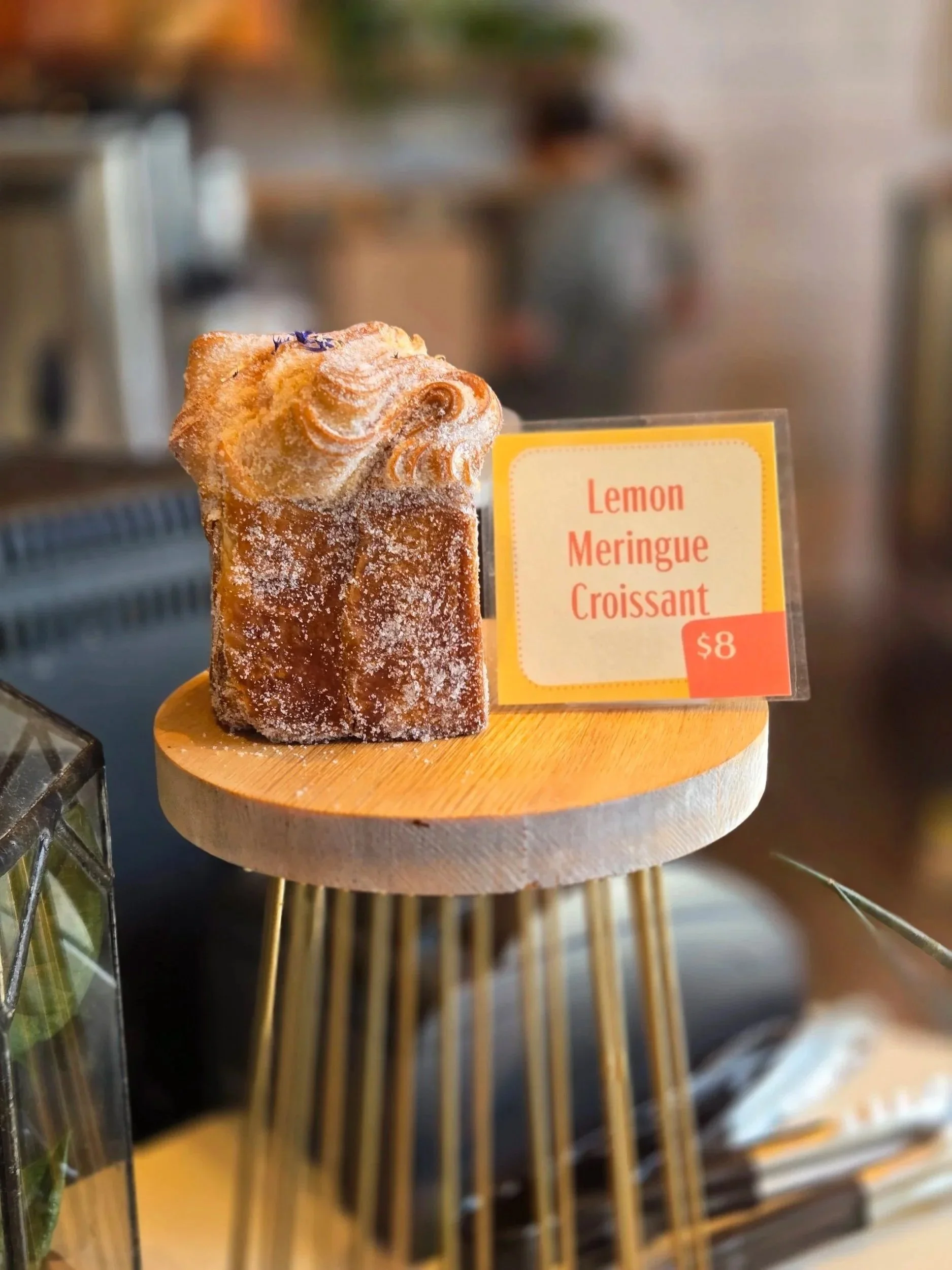
Photo taken at The Buttermilk Ranch - Nashville TN
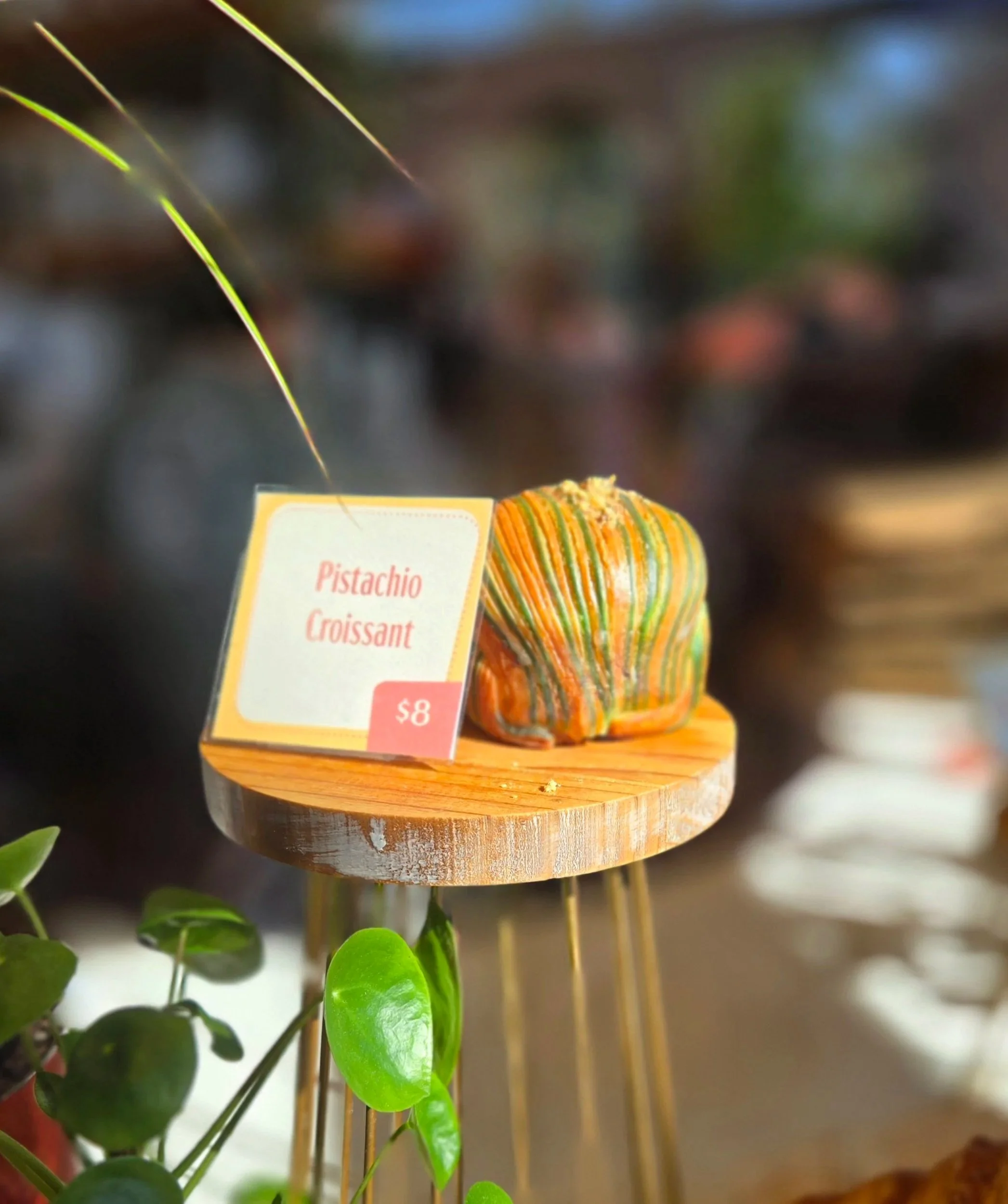
Photo taken at The Buttermilk Ranch - Nashville TN