Why Laminated Pastries Are Dominating Bakeries — And How Retarder Proofers Ensure Consistency
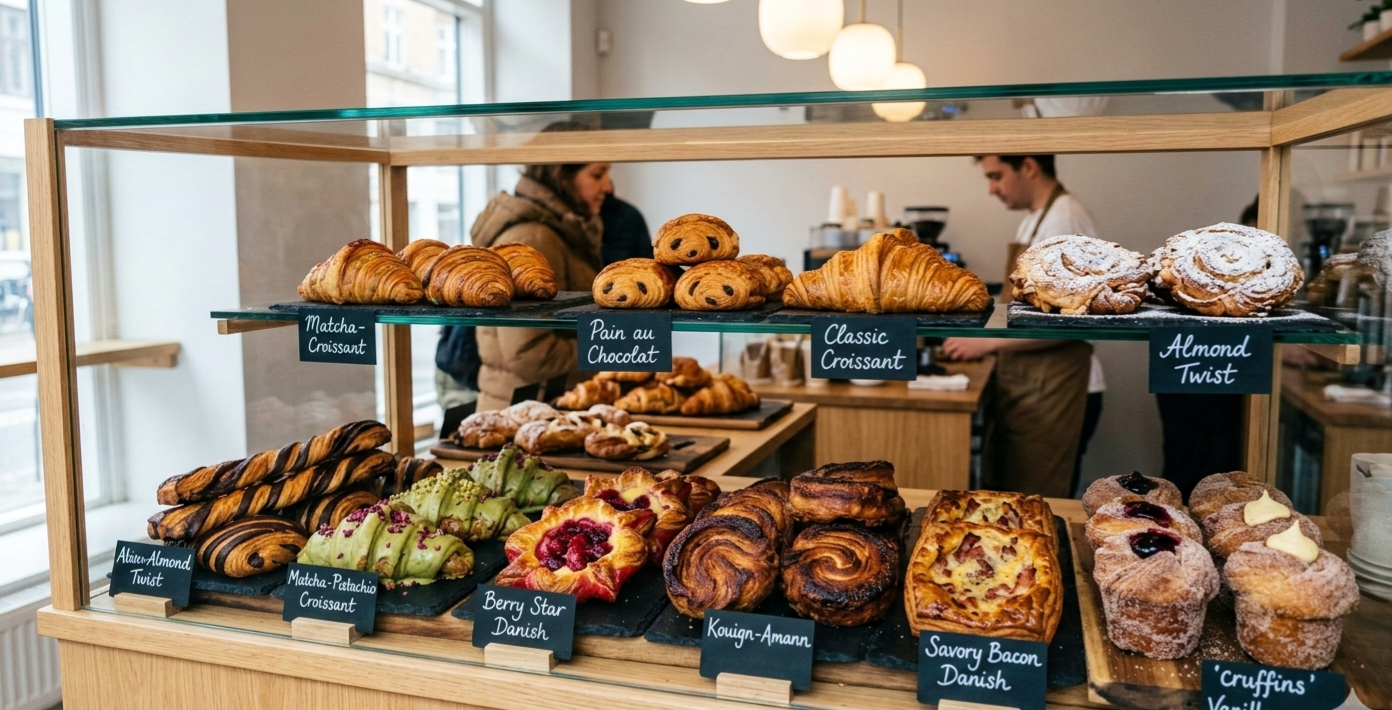
Over the past decade, laminated pastries have exploded in popularity across the world. Once considered a specialty item found primarily in European-style bakeries, fancy croissants, Danish, kouign-amann, and multi-colored and cross-laminated shapes are now staples in neighborhood cafés, artisan bakeries, and high-volume production facilities. Social media has fueled this growth, with beautifully layered, honeycombed interiors and eye-catching shapes drawing customers in and keeping them coming back for more.
Laminated pastries are unique because of their delicate, layered structure. While the process is rooted in tradition, today’s American bakeries are pushing the boundaries of creativity.
Classic croissants remain popular, but bakeries are introducing bold new shapes and styles. Cubes, spirals, knots, braids, cruffins, pinwheels, and my personal favorite shape — cross-laminated Pain Suisse. Bakers are experimenting with vibrant glazes, unique inclusions, seasonal fillings, and dramatic finishing techniques. Laminated dough is no longer just breakfast; it’s a canvas for culinary innovation. From pistachio raspberry pinwheels to brownie croissants, creativity has become a defining feature of the laminated pastry boom.
Much of this momentum has been influenced by visionary pastry chefs such as Antonio Bachour and Dominique Ansel. Bachour’s intricate designs, bold flavors, and modern pastry aesthetics have inspired bakeries across the country to elevate both presentation and technique. Ansel, widely recognized as the creator of the Cronut and for pioneering hybrid pastries and redefining laminated dough innovation, demonstrated how creativity and craftsmanship can capture national attention and drive consumer demand. Their influence continues to shape trends in both independent artisan bakeries and large-scale operations. I can even remember buying quite a few croissant donuts from Dunkin' that were inspired by the Cronut.
However, producing high-quality laminated pastries consistently is no small task. Precision is everything. Dough temperature, butter plasticity, mixing development, and fermentation timing must all align perfectly. Even small variations can compromise layer definition, oven spring, and final texture. As production volumes increase, maintaining control becomes even more challenging.
This is where a commercial retarder proofer becomes an invaluable tool for modern bakeries.
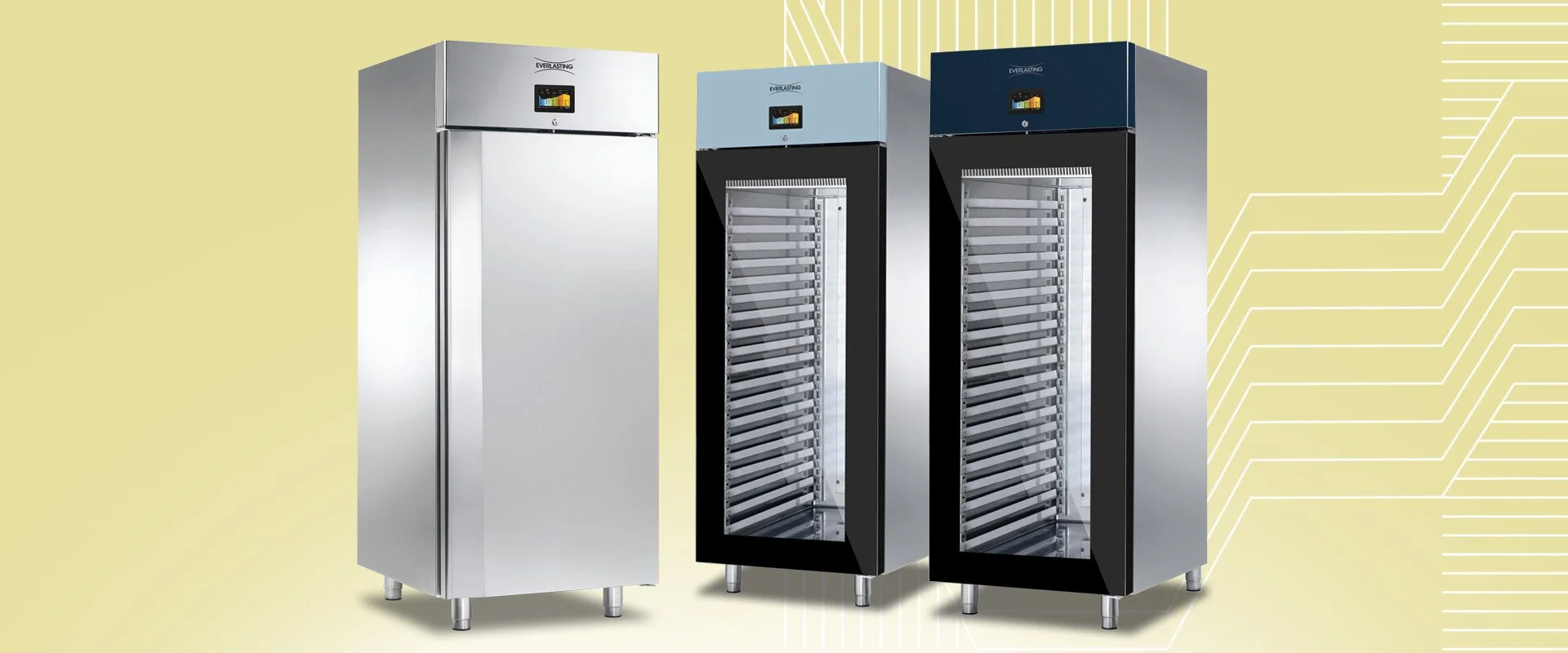
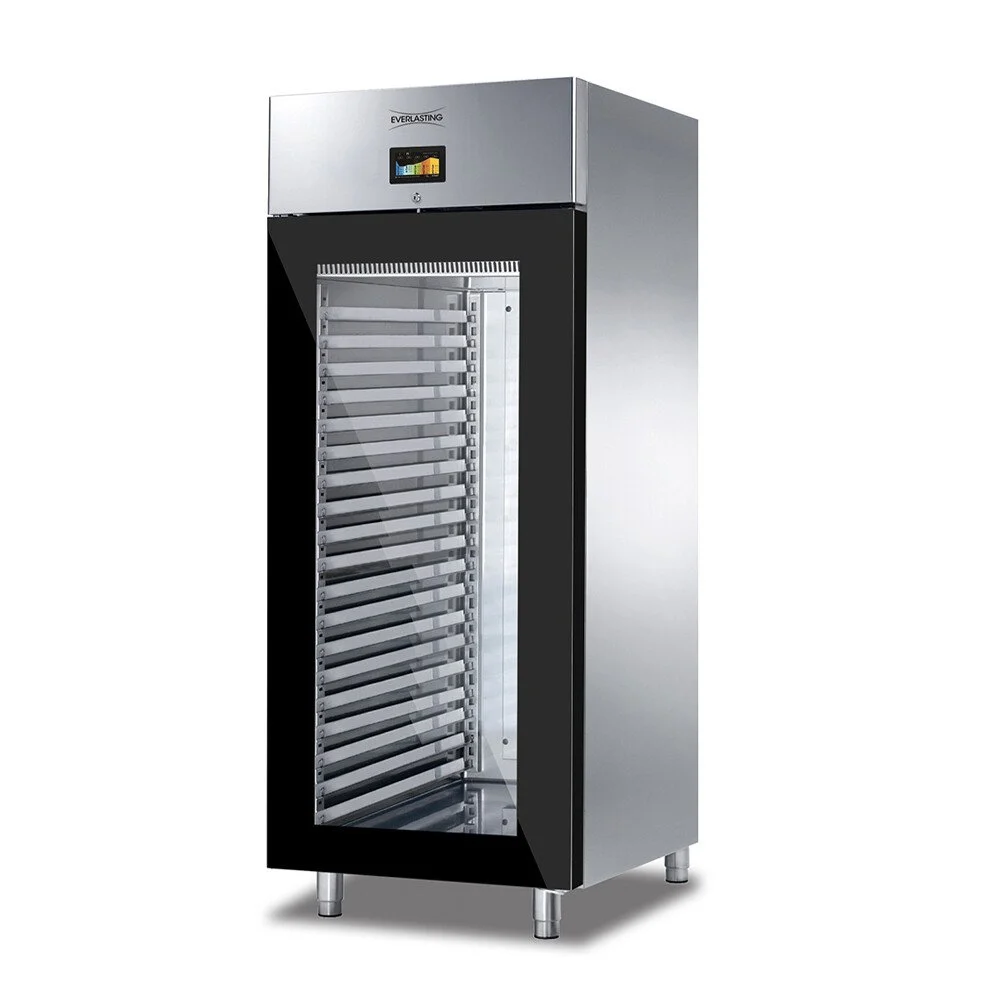
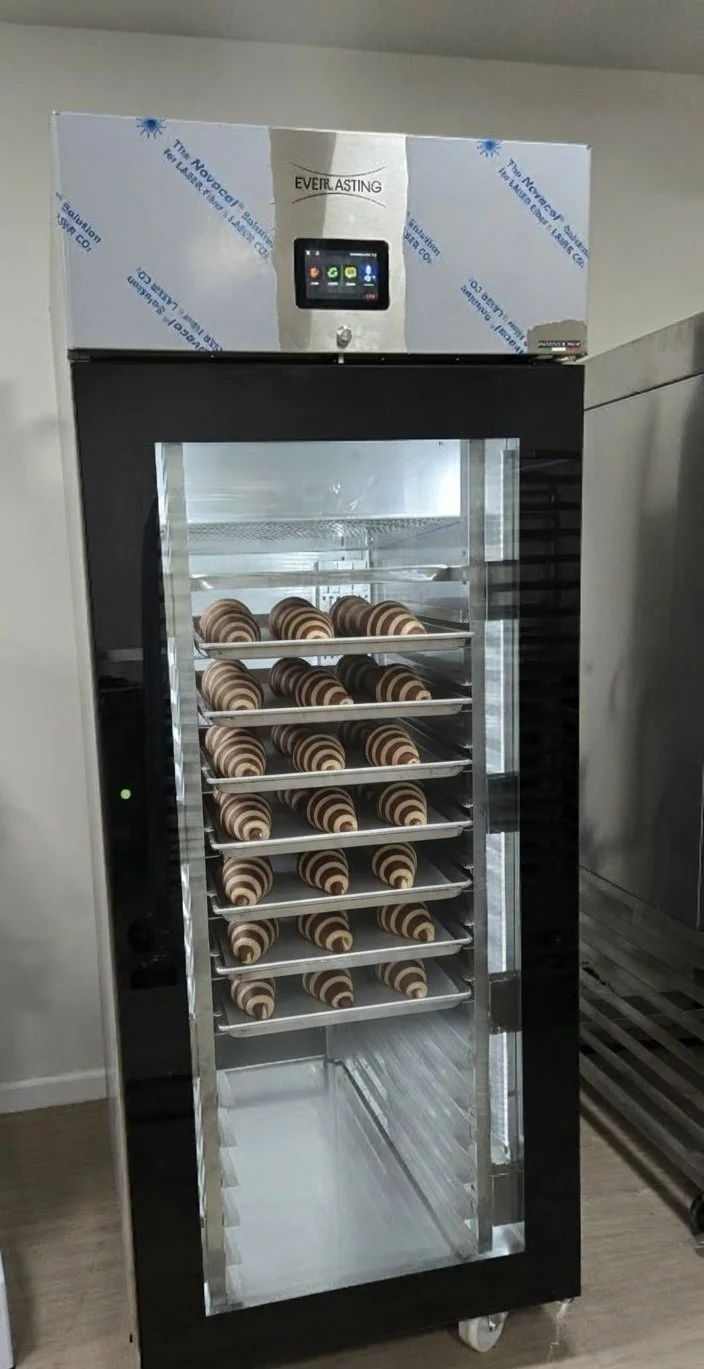
A bakery retarder proofer allows bakers to precisely control temperature and humidity, slowing or accelerating fermentation as needed. Laminated dough, in particular, benefits greatly from controlled fermentation and bread fermentation control. By retarding shaped pastries overnight in a retarder proofing cabinet, bakeries can develop deeper flavor while preventing over-proofing. The controlled environment also protects the integrity of the butter layers, reducing the risk of melting or smearing that can occur in uncontrolled ambient conditions.
A croissant retarder proofer is especially useful because croissants and laminated doughs are highly sensitive to proofing conditions. A dough retarder proofer gives bakers the flexibility to hold products overnight and then transition automatically into proofing mode so pastries are ready to bake first thing in the morning.
Operationally, the advantages are significant. With a dough proofing cabinet or pastry proofing cabinet, bakeries can stage production more efficiently — mixing and laminating during the day, shaping in the afternoon, and baking fresh pastries at opening. This bakery fermentation equipment improves workflow, reduces labor bottlenecks, and ensures customers are greeted with warm, freshly baked croissants in the morning.
In a market where visual appeal and texture drive sales, consistency is critical. A retarder proofer for artisan bread and laminated pastries supports better volume, improved crumb structure, and more predictable bake times. When paired with high-quality sheeting and laminating equipment, a retarder proofer becomes a cornerstone of a professional laminated pastry program.
At Westmere Baking Equipment, we understand the technical demands behind today’s laminated pastry trends. As creativity continues to reshape bakery menus across the United States, having the right equipment in place ensures that innovation is supported by consistency, efficiency, and exceptional product quality.
To learn more about how a commercial retarder proofer can improve consistency, reduce labor, and support laminated pastry production, visit our retarder proofer page or contact Westmere Baking Equipment for more information.